Understanding the psychology of risk in casinos
The Nature of Risk in Gambling
The nature of risk in gambling is multifaceted, revolving around the psychological aspects that drive individuals to engage in high-stakes scenarios. In a casino setting, players are constantly evaluating the odds and making decisions based on their perceptions of risk versus reward, often seeking the best online pokies to enhance their gaming experience. The thrill of winning can cloud judgment, leading to riskier bets. This psychological state is often compounded by the environment of the casino, which is designed to foster excitement and allure, attracting individuals to partake in activities they might usually avoid in less stimulating contexts.
Moreover, the concept of loss aversion plays a significant role in how gamblers perceive risk. Research indicates that people tend to prefer avoiding losses over acquiring equivalent gains, which can drive them to take on more significant risks in hopes of recouping losses. In a casino, this becomes evident when players continue to gamble after a losing streak, fueled by an emotional response rather than a rational analysis of their situation. This phenomenon illustrates the complex interplay between emotion and decision-making in gambling.
This blend of excitement and heightened stakes often leads to a form of cognitive dissonance. Gamblers may convince themselves of their chances of winning, despite mathematical probabilities suggesting otherwise. This disconnect influences not only their betting behavior but also their overall experience within the casino environment. The thrill of risking something, whether it be time, money, or reputation, is an intrinsic motivator, and understanding this aspect of risk is crucial for comprehending why individuals are drawn to gambling in the first place.
The Role of Environment in Shaping Perceptions of Risk
The casino environment plays a pivotal role in shaping how individuals perceive and engage with risk. From vibrant lights to captivating sounds, every design element in a casino is strategically implemented to enhance the experience and plunge players into a high-stimulation world. This high-energy atmosphere elevates the excitement level, making players more susceptible to taking risks they might otherwise avoid in a more subdued setting. Such environments can create a psychological ‘high’ that encourages repeated play and risk-taking behavior.
Cognitive biases also come into play when the casino experience is intertwined with environmental cues. For instance, the “hot hand fallacy,” wherein gamblers believe they are on a winning streak, can lead to increasingly risky bets. This belief is often reinforced by the casino’s architecture and layout, which may make winning seem more common or attainable. Additionally, the presence of other players can amplify emotions and influence individual risk tolerance, leading gamblers to take bolder actions they might not consider in solitude.
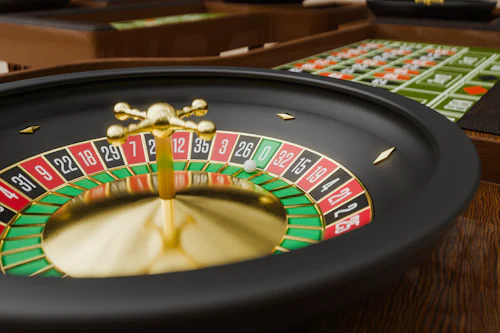
This manipulation of the environment is not merely accidental; it is a carefully crafted tactic used by casinos to maximize player engagement and spending. By understanding how environmental factors affect risk perception, players can become more aware of their psychological triggers. This awareness might help mitigate impulsive decisions and foster a more analytical approach to gambling, ultimately aiding in responsible gaming practices.
Psychological Triggers and Their Impact on Gambling Behavior
Psychological triggers are key elements that can significantly influence gambling behavior within a casino. Factors such as excitement, social interaction, and the thrill of uncertainty can serve as powerful motivators for individuals to engage in gambling activities. The anticipation of a big win can lead to heightened emotional states, driving players to take risks they would typically avoid. This connection between emotion and behavior highlights the complex relationship gamblers have with risk.
The phenomenon of ‘near misses’ is another psychological trigger that impacts risk perception. When a player comes close to winning but ultimately fails, it can create a sense of hope and motivation to continue playing. This false sense of achievement feeds into the cycle of risky behavior, where players believe that their fortune may eventually turn around. Understanding this psychological trap can help gamblers recognize when they are caught in a cycle of chasing losses, prompting more mindful decision-making.
Addiction also plays a substantial role in shaping gambling behavior. For some, the thrill of taking risks can lead to compulsive gambling, causing individuals to overlook personal limits and financial boundaries. Addressing this addiction requires an understanding of the psychological underpinnings that compel individuals to return to the gambling environment despite adverse consequences. By acknowledging these triggers and their emotional roots, individuals can work toward developing healthier relationships with gambling and risk.
The Impact of Risk Perception on Gambling Choices
Risk perception significantly affects the choices gamblers make in casinos. Players often rely on cognitive shortcuts and biases to assess the potential outcomes of their actions. For instance, they may underestimate the inherent risks associated with certain games while overestimating their skills or luck, leading to poor decision-making. This skewed perception can result in players engaging in riskier bets than they originally intended, fueled by the allure of potential rewards.

The concept of ‘risk homeostasis’ suggests that individuals may adjust their level of risk-taking based on their surroundings and experiences. For example, a player who has recently won a significant payout might feel emboldened and willing to gamble more aggressively, perceiving the odds as more favorable. This fluctuation in risk assessment can create a cycle of behavior where previous wins lead to more substantial risks, often culminating in significant losses that counteract their initial success.
Understanding individual differences in risk perception is crucial for developing effective strategies for responsible gambling. Factors such as personality traits, past experiences, and emotional states all contribute to how a person perceives risk. By fostering an awareness of these influences, gamblers can make more informed choices, allowing them to navigate the complexities of risk while minimizing the potential for regret or financial hardship.
Conclusion and Responsible Gambling Insights
The psychology of risk in casinos is a complex interplay of emotional responses, cognitive biases, and environmental influences. By being aware of how these factors affect decision-making, individuals can develop strategies to engage with gambling more responsibly. Recognizing personal triggers, understanding the impact of the casino environment, and adopting a critical view of risk perception can empower players to make better choices.
In a world where gambling is increasingly accessible, it is essential to promote a culture of responsible gaming. This involves educating individuals about the psychological underpinnings of their gaming behaviors and providing resources for those who may struggle with risk-taking tendencies. By fostering a greater understanding of the risks involved, players can enjoy gambling as a form of entertainment without allowing it to negatively impact their lives.
Overall, the insights into the psychology of risk in casinos can serve as a valuable tool for both players and industry professionals. By combining knowledge of psychological triggers, environmental factors, and personal behaviors, individuals can navigate the gambling landscape more effectively. This understanding not only enhances the gaming experience but also promotes healthier engagement with gambling activities, ensuring that fun remains central to the experience while minimizing risks.